The Muse Blog
What is a T Cell? Ask the Muse.
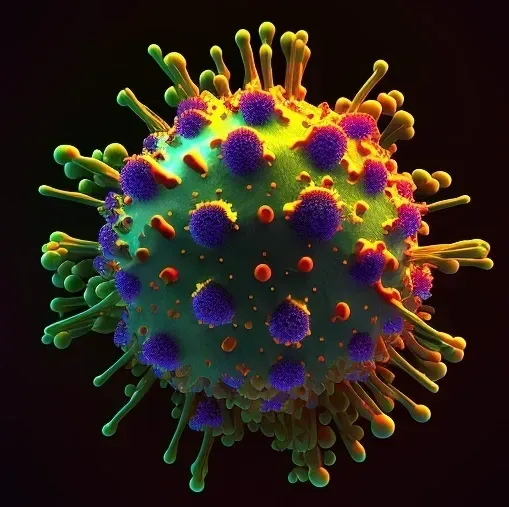
This past winter, I was shocked to come down with long COVID. I felt strong, vibrant, and healthy—and yet, it still hit me. As I began to research and reflect, I realized that there are deeper layers to maintaining true immune health, especially when it comes to supporting our T cells. I also came across emerging studies suggesting that for some, the COVID vaccine may have impacted the immune system in a way that allows the virus to linger quietly in the body, only resurfacing when the system becomes weakened.
Your T cells are a vital part of your immune system—they act like intelligent soldiers, identifying and destroying harmful invaders like viruses, bacteria, and even abnormal cells. When your T cell count is strong and balanced, your body is more resilient, your energy is steadier, and you’re better able to handle both physical and emotional stress. But when T cells are depleted due to chronic stress, inflammation, or poor health habits, your whole system can feel off, making it harder to feel grounded and clear.
In my work with life coaching and sound bath therapy, I often see how deep healing happens when the body and mind are aligned. Practices that reduce stress, calm the nervous system, and support emotional release—like sound healing and guided visualization—not only help people feel more centered, they also support immune function and T cell health. When your inner world is in harmony, your immune system responds. This is the true path to lasting wellness: nurturing the body and the soul.
Here is a chart to keep you on track so your health is so strong by next winter.
T cells are a crucial part of your immune system, helping to fight infections, cancer cells, and other threats. To naturally boost your T cell health, focus on:
1. Nutrition for T Cell Support
• Vitamin C (oranges, bell peppers, kiwi) – Enhances T cell production.
• Vitamin D (sunlight, salmon, mushrooms) – Essential for T cell activation.
• Zinc (pumpkin seeds, chickpeas, cashews) – Helps T cell function and signaling.
• Quercetin (onions, apples, berries) – Reduces inflammation and supports immunity.
• Probiotics & Prebiotics (fermented foods, garlic, onions) – Strengthen gut health, which impacts T cell regulation.
2. Lifestyle Habits for Stronger T Cells
• Regular Exercise – Moderate activity (like brisk walking, yoga, or resistance training) increases T cell circulation. Avoid overtraining, which can suppress immunity.
• Quality Sleep – 7-9 hours per night improves T cell function and reduces inflammation.
• Stress Management – Chronic stress raises cortisol levels, which can suppress T cells. Practices like meditation, breathwork, and sound healing (which you specialize in) help.
• Sunlight Exposure – Helps with Vitamin D production, which activates T cells.
3. Herbal & Natural Supplements
• Astragalus – A well-known herb in Traditional Chinese Medicine for boosting immune function.
• Elderberry – High in antioxidants and supports immune response.
• Green Tea (EGCG) – Supports T cell activity.
• Reishi & Cordyceps Mushrooms – Known to enhance immune regulation and T cell production.
4. Fasting & Autophagy
• Intermittent Fasting (IF) – Can help regenerate immune cells, including T cells, by activating autophagy (cellular cleanup).
• Ketogenic Diet (in moderation) – Some research suggests ketones may support T cell function.
5. Grounding & Energy Work
• Earthing (Walking Barefoot on Grass/Sand) – Helps balance inflammation and immune response.
• Sound Healing & Meditation – incorporating these regularly can help reduce stress, lower inflammation, and improve immune health.
Share this post: